
Biochar is most commonly celebrated for its role in enhancing soil health, yet its potential...
Biochar is most commonly celebrated for its role in enhancing soil health, yet its potential extends far beyond agriculture. In a recent conversation, Kwanpiromtara (Aom) Suksri, Biochar Life’s Co-Founder & Global Head of Development and Compliance, shared how this versatile material is driving sustainable innovation in unexpected ways, benefiting both people and the planet.
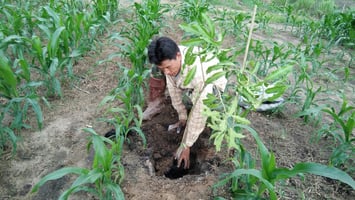
“When I first encountered biochar in 2016, the initial goal was straightforward — addressing Chiang Mai’s severe air pollution caused by open-field burning,” explained Aom. Funded initially by the U.S. consulate, her early efforts focused on educating farmers to transform harmful crop residue burning into beneficial biochar production, significantly reducing local pollution.
In this blog, we explore the many applications of biochar beyond agriculture, with Aom sharing her knowledge and experiences of its diverse uses.
The Basics of Biochar
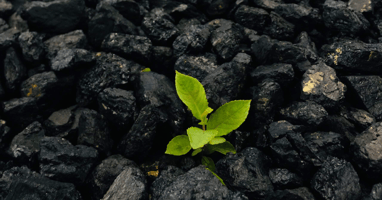
At its simplest, biochar is a charcoal-like substance produced by burning organic material in a low-oxygen environment — a process known as pyrolysis. But, unlike charcoal, biochar has many positive environmental applications.
Traditionally, biochar is recognised for its benefits as a soil amendment, enhancing soil health, productivity, and carbon sequestration. Moreover, biochar production directly combats climate change by offering a sustainable alternative to the harmful practice of open-field crop residue burning. This method not only reduces greenhouse gas emissions but also improves air quality and community health.
Innovative Solutions from Burning Issues
As Aom’s journey with biochar evolved, she quickly discovered its versatility extended far beyond agriculture. “We initially focused on agricultural applications, but soon realised biochar’s remarkable properties could benefit other areas like water purification and even personal care,” she explains.
“Biochar is not just about agriculture — it’s about sustainability and innovation for the entire community.” — Aom Kwanpiromtara Suksri
Witnessing firsthand the transformation in rural communities, she became motivated to explore new and innovative ways biochar could address everyday problems. From tackling persistent environmental challenges to improving public health outcomes, Aom saw biochar not merely as an agricultural resource but as a sustainable, multifaceted solution for a healthier, cleaner community.

Biochar Soap: Beyond Clean
One of the more interesting innovations developed by Aom is biochar-infused soap. She found that biochar’s natural detoxifying properties made it highly effective in personal care products. “Our biochar soap helps reduce acne and prevent infections,” she notes, highlighting the positive feedback received from local communities. Its gentle, purifying action has made it popular, improving skin health and creating entrepreneurial opportunities for farmers.
Beyond skincare, biochar’s antibacterial and absorbent properties make it a valuable ingredient in other hygiene products, such as shampoos and toothpaste. “We’ve seen how biochar can help with scalp health and even reduce dandruff when used in shampoos,” Aom explains. Farmers and small business owners have begun experimenting with these products, leading to new income-generating opportunities and expanding biochar’s presence in local markets. The growing demand for natural, chemical-free alternatives has also positioned biochar soap as a sought-after solution in eco-conscious communities, further demonstrating its commercial and environmental value.
A Natural Detoxifier and Purifier
Beyond being a personal hygiene product, biochar has also proven highly effective as a natural detoxifier due to its unique porous structure, which allows it to trap and absorb impurities, toxins, and odors. This remarkable property makes biochar ideal for diverse applications — from simple household air purifiers and moisture absorbers to advanced water filtration systems, capable of providing clean drinking water in areas lacking proper sanitation.
Aom highlights this potential, saying, “We see biochar as an environmentally friendly alternative to chemical-heavy products. It not only addresses health concerns but also supports sustainable living practices.” By substituting conventional chemical-based products with biochar, communities can significantly reduce their environmental impact while promoting healthier living spaces.
Success Beyond Soil: A Case Study
Aom shared the inspiring story of a young farmer who, having become inquisitive by biochar’s transformative potential, took proactive steps to establish a cooperative within his community. Seeing the benefits extend beyond agriculture, Khun Bank the founder of Thanalin Farm, explored creative avenues, innovating with biochar-based products. “He created products like biochar soap and bio fruit savers, dramatically boosting his community’s economic resilience and creating new income streams,” she recounts proudly.
Through these initiatives, the cooperative not only strengthened the local economy but also fostered a sense of community pride, self-reliance, and environmental responsibility. His story exemplifies how innovation, driven by sustainability, can profoundly improve livelihoods.
Challenges and Opportunities
Introducing biochar innovations to traditional farming communities hasn’t been without challenges. According to Aom, “Changing perceptions and generating market demand for new products requires significant effort. We need more real-world stories demonstrating the benefits to encourage wider adoption.”
Looking forward, Aom is enthusiastic about exploring further innovations, including biochar’s potential applications in health, environmental remediation, and advanced materials. She also highlights intriguing innovations elsewhere, like biochar-infused skateboards developed in Africa, which underscore biochar’s vast potential.
Conclusion: A Sustainable Resource
Biochar, as demonstrated through Aom’s innovative work, is far more than just a soil enhancer. It’s a sustainable and adaptable resource capable of addressing multiple environmental and social challenges simultaneously. Encouraging broader adoption and exploration of biochar’s diverse applications could significantly amplify its positive impact.
As Aom concludes, “Biochar is not just about agriculture — it’s about sustainability and innovation for the entire community.”
If you’re interested in learning more about biochar, its applications, or how Biochar Life can support your journey — whether through training, consulting, or community partnerships — reach out to us today. Visit Biochar Life to explore how you can be part of this growing movement towards sustainability and innovation.