


We’re proud to share that Biochar Life Thailand has received an AA–BBB Estimation Rating from...
Adapted from a piece by Jason Highberger
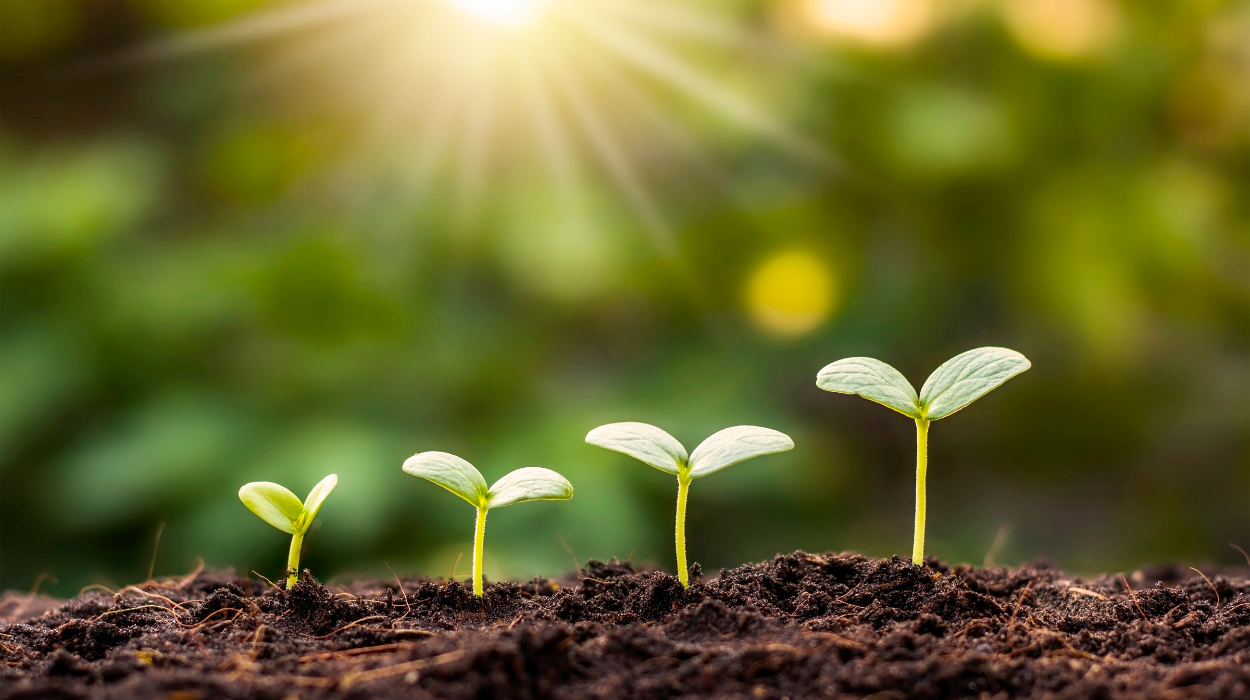
As grocery prices climb higher, consumers around the globe are feeling the pinch. What many don’t realise, however, is that a critical, often overlooked factor is driving this trend: declining soil health. According to research, the productivity of farmland is deteriorating due to years of overuse, unsustainable practices, and the impacts of climate change. The United Nations Food and Agriculture Organisation (FAO) estimates that 33 percent of the Earth’s soils are already degraded and more than 90 percent could become degraded by 2050.
The result? A growing challenge for farmers trying to meet global food demand while ensuring their operations remain viable.
This issue isn’t just about rising costs at the checkout counter. It’s a pressing concern for global food security, threatening the stability of our food systems and the livelihoods of millions. But there’s good news — solutions are available. Investing in initiatives that improve soil health can reverse these trends and deliver benefits for farmers, consumers, and the planet alike.
The True Cost of Degraded Soils
Soil is the foundation of agriculture. It supports plant growth, regulates water, and provides the nutrients essential for crop production. But the health of our soils is in jeopardy.
Degraded soils — damaged by erosion, nutrient depletion, and loss of organic matter — are becoming less fertile and harder to farm. Research estimates that globally, we lose about 24 billion tons of fertile soil annually due to unsustainable practices like deforestation, overgrazing, and monocropping. For farmers, this means lower crop yields, higher input costs for fertilizers, and an increased struggle to maintain profitability. For consumers, it translates to rising food prices, as scarcity drives up costs.
But the impacts extend far beyond economics. Declining soil health also affects biodiversity, water retention, and resilience to climate change. When soils are no longer able to support healthy ecosystems, the consequences ripple through the environment, exacerbating the very challenges we’re trying to solve.
Improving soil health isn’t just an agricultural issue — it’s an environmental and economic imperative. Healthy soils can produce higher crop yields, reduce the need for chemical inputs, and sequester significant amounts of carbon, helping to mitigate climate change. One of the most promising solutions is biochar, a natural soil amendment with the potential to transform agricultural landscapes.
What is Biochar?
Biochar is a form of charcoal made by heating organic materials like crop residues or wood in a low-oxygen environment — a process known as pyrolysis. When applied to soil, biochar enhances its structure, increases water retention, and improves nutrient availability. But biochar does more than just restore soil health. It also captures and stores carbon, effectively locking it away for hundreds or thousands of years.
This dual benefit — improving soil fertility and acting as a carbon sink — makes biochar a key tool in the fight against climate change and food insecurity.
The Benefits of Biochar
Supporting projects that produce and use biochar can create a domino effect of positive outcomes:
- Increased Crop Yields
By improving soil quality, biochar helps farmers grow more food using fewer resources. Crops are more resilient to droughts and other climate-related challenges, ensuring a more reliable food supply. - Reduced Greenhouse Gas Emissions
Traditional farming practices, such as open burning of crop residues, release significant amounts of carbon dioxide and methane into the atmosphere. Producing biochar from these residues not only prevents these emissions but also locks carbon into the soil for the long term. - Economic Empowerment of Smallholder Farmers
Many smallholder farmers face declining productivity due to degraded soils. Biochar offers them a cost-effective way to rejuvenate their land, boost yields, and access new revenue streams, such as carbon credits, by participating in carbon removal initiatives. - Cleaner Air and Water
By reducing the need for chemical fertilizers, biochar lowers the risk of water pollution from agricultural runoff. It also curbs air pollution by offering an alternative to burning crop residues.
The Cost of Inaction
Despite the clear benefits, soil health initiatives remain underfunded. If we fail to act, the consequences will only worsen. Continued soil degradation will lead to:
- Rising Food Prices: As farmland becomes less productive, the cost of growing crops will increase, driving up prices for consumers worldwide.
- Increased Reliance on Chemical Inputs: Farmers will resort to more fertilizers and pesticides to maintain yields, further harming ecosystems.
- Worsening Climate Change: Degraded soils release stored carbon, contributing to greenhouse gas emissions and exacerbating the climate crisis.
The choice is clear: we can invest in solutions now or face significantly higher costs — both financial and environmental — later.
The good news is that we already have the tools and knowledge needed to address this challenge. Biochar is just one example of a scalable, proven solution that can deliver immediate and long-term benefits. By supporting initiatives that prioritize soil health, we can:
- Secure a stable and affordable food supply for future generations.
- Mitigate the effects of climate change through sustainable practices.
- Empower farmers to build resilience and thrive in the face of adversity.
But these solutions require collective action. Governments, businesses, and individuals all have a role to play in prioritizing investments in soil health. Whether through funding biochar projects, supporting regenerative agriculture practices, or advocating for policies that promote sustainable land management, every step we take brings us closer to a healthier planet.
Pay Now or Pay More Later
Declining soil health is a silent crisis with far-reaching implications for our wallets, our food systems, and our planet. The question isn’t whether we can afford to invest in soil health — it’s whether we can afford not to.
By choosing to act now, we can address the root causes of rising food prices, restore the productivity of our soils, and mitigate the impacts of climate change. The alternative? Higher costs, greater scarcity, and a more uncertain future.
So, what will it be? Pay now or pay more later? The choice is ours to make. For more information on Biochar Life and the work we do get in touch at: hello@biochar.life