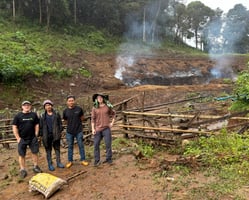

I’ve lived in northern Thailand for over a decade. Each year, I hope it’ll be different — that the skies will stay clear, that the air will remain breathable. But again and again, the smoke season arrives.
A couple of weeks ago, the Air Quality Index (AQI) in my town spiked above 650 — a level so high it’s classified as hazardous. For context, the most polluted city in the world that day was Delhi, with a reading of 167. Anything above 300 is considered dangerous. We sealed the doors and ran the air purifier around the clock. But the reality is, the real damage was already done. You can’t outrun air this toxic.
The reasons for the burning are multifaceted. One of the most common is the need for farmers to clear the forest floor to harvest the valuable Hed Thob mushroom, along with some instances of controlled backburning. But the biggest contributor is smallholder farmers burning agricultural waste because they have no viable alternative , and who are we to tell them to stop, when they need to recycle harvests quickly just to pay the bills and feed their families?
Crop residue like maize stalks and rice husks pile up, and without a better option, it’s set alight. Multiply that by hundreds of thousands of farms across the region, and you get the smog-filled skyline we’re breathing today.
But here’s the thing: there is a better option. And for the first time, it’s being embraced at scale.
The Waste-to-Value Revolution
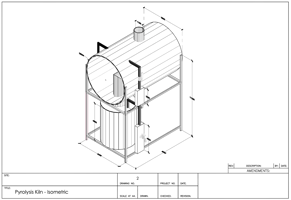
At Biochar Life, we’re working with smallholder farmers across Thailand, Indonesia, Kenya, and Malawi to turn agricultural waste into something useful: biochar. Through simple, low-emission kilns, farmers can convert crop waste into biochar — a charcoal-like substance that stores carbon for hundreds to thousands of years when applied to soil.
This process prevents smoke, improves air quality, and removes CO₂ from the atmosphere. But that’s just the beginning. Biochar also helps retain moisture in dry soils, boosts crop yields, and rebuilds degraded land.
So instead of burning waste and polluting the air, farmers are now producing something that heals their land and the planet.
Why Carbon Buyers Are Getting Involved
When we started this work, it was about stopping the burn. But over time, we realized the broader potential. These small biochar interventions — when verified and measured properly — generate high-quality carbon removal credits.
What makes them high quality?
- Durability: The carbon stays locked in biochar for centuries.
- Additionality: Farmers would otherwise burn the biomass.
- Traceability: Every batch is tracked through our dMRV (digital Monitoring, Reporting, and Verification) system and audited to international standards.
- Co-benefits: Unlike high-tech solutions, these credits support climate, soil, and community development in one.
Buyers are increasingly looking for removal credits that not only offset carbon, but also align with their Corporate Social Responsibility (CSR) goals. Our credits tick both boxes.
The Double Win: Climate + Community
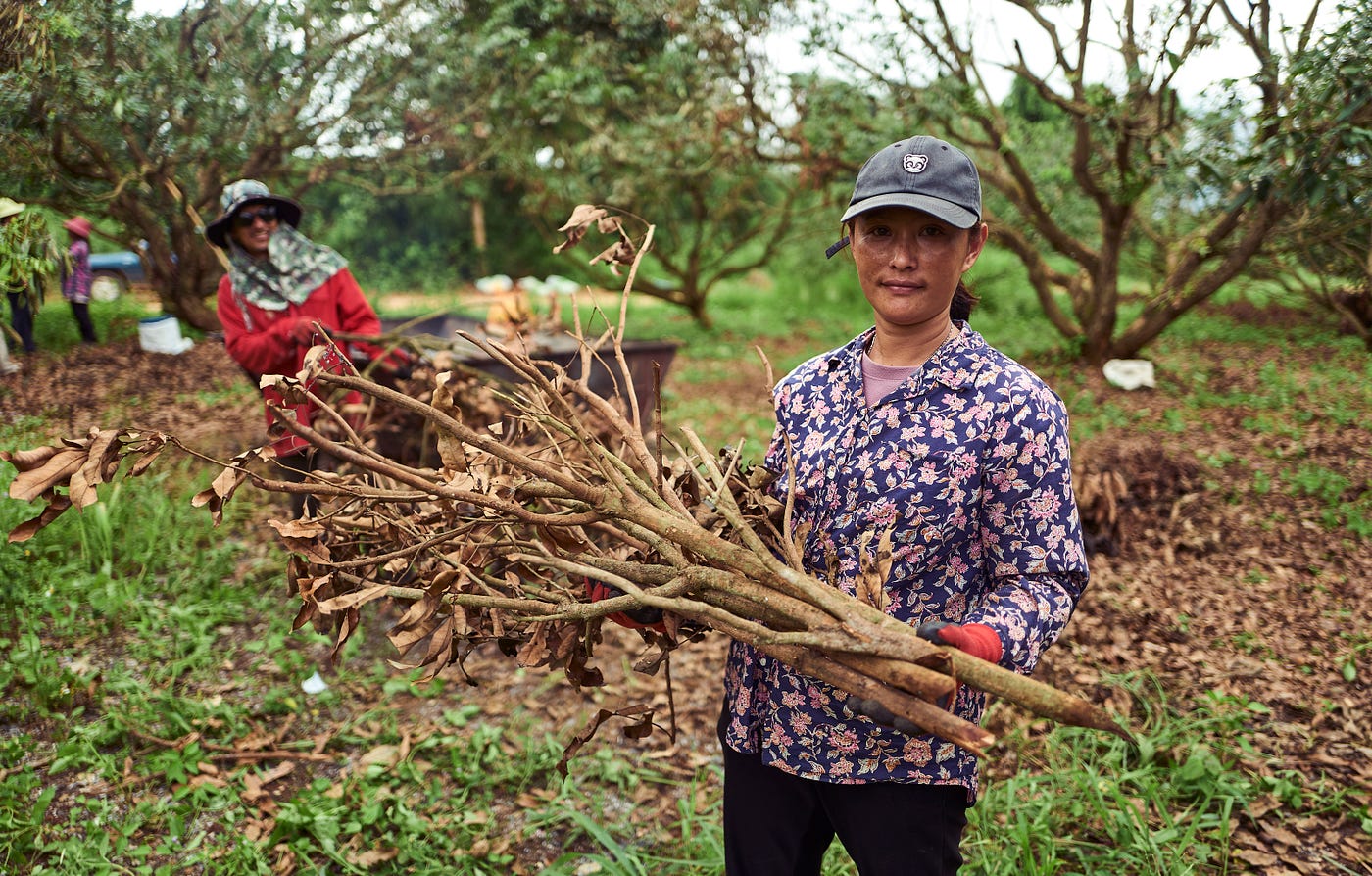
What’s truly exciting is that every tonne of CO₂ removed through our work supports real people. Farmers like Risper Nyawanda in Kenya, who used to burn her fields each season, now earn supplemental income making biochar. Or Mildred Otieno, who said that since working with Biochar Life, she’s been able to send her children to school and expand her farm.
These aren’t just numbers on a registry — they’re stories of transformation.
And as a buyer, you’re not just purchasing a tonne of carbon. You’re helping reduce air pollution, restore ecosystems, and create dignified rural livelihoods.
So What’s the Catch?
There really isn’t one — but there is a choice.
You can buy carbon credits from industrial-scale removals with limited social benefit. Or you can invest in a system where climate action is distributed, local, and human.
Over the last decade we have partnered with more than 20,000 smallholder farmers. In just the last six months, we’ve removed over 10,000 tonnes of CO₂ from Thailand, Indonesia, Kenya and Malawi — all from crop waste that would have otherwise been burned. In Thailand, we’re scaling fast, particularly in northern provinces like Chiang Mai and Phrao where the problem — and the potential — is massive.
What Comes Next?
We’re expanding partnerships, refining our verification tools, and working with local governments to help change behavior and develop a realistic solution that will see an end to open field burning. But this won’t happen without funding — and that’s where buyers come in.
Every carbon credit purchased through Biochar Life supports this transition. It’s a vote for clean air, healthier soils, and a better future for rural communities.
Join the Movement That’s Clearing the Skies and Rebuilding the Soil
If you’re a sustainability leader, carbon program manager, or climate-conscious brand — this is your opportunity to make an impact that goes far beyond carbon.
✅ Verified carbon removal
✅ Proven co-benefits
✅ ICROA-endorsed registry
✅ Real stories behind every credit
Let’s turn smoke into soil health — together.
👉 Explore our credits or book a call with our team hello@biochar.life